

Grass Pavers for a Greener and Sustainable Nepal
Nepal’s increasing focus on sustainability has driven demand for eco-friendly construction solutions. Traditional concrete driveways, while durable, contribute to water runoff and the urban heat island effect. Grass pavers offer a sustainable alternative, improving water permeability, reducing surface heat, and enhancing aesthetics. They help recharge groundwater, prevent flooding, and create a cooler environment, making them ideal for urban and residential spaces in Nepal.
Grass Pavers: A Smart Choice for Sustainable Development
Grass pavers combine ecological benefits with structural durability. They allow vegetation growth while providing a strong, stable surface for vehicles and pedestrians. This reduces water runoff, prevents soil erosion, and enhances sustainability.
Asian Concreto, a leader in environmental protection infrastructure, manufactures high-grade grass pavers that combine strength with ecological benefits. Their innovative paving solutions support Nepal’s shift towards greener construction, enabling homeowners and businesses to adopt eco-friendly landscapes.
Key Benefits of Grass Pavers
1. Climate Resilience & Water Management
- Their design makes them especially effective in natural water infiltration. It can reduce excessive runoff and the problem of flooding in urban areas due to monsoon rainfall.
- Grass pavers aid in the recharge of groundwater, which holds an effective solution as a sustainable drainage system.
2. Environmental Sustainability
- This would mean that groundwater permeability is being recharged, with an absolute stoppage of soil erosion.
- This vegetation will reduce urban heating, lead to increased biodiversity, and integrate eco-drainage into urban planning.
3. Aesthetic & Functional Advantages
- Provides an aesthetic look by bringing greenery into the city.
- Driveways, walkways, and public places are the most common areas that encourage sustainable urban development.
4. Best Use Cases in Nepal:
- Urban Areas: Kathmandu, Lalitpur, and Pokhara—driveways, walkways, and stormwater management.
- Commercial & Residential Projects: Housing and office spaces with green infra.
- Eco-Tourism Locations: Aesthetics and sustainability balanced in resorts and parks located at Chitwan and Nagarkot.
- Mountainous & Hilly Zones: Soil stabilization on steep slopes for erosion control.
Project Sites Using Grass Pavers
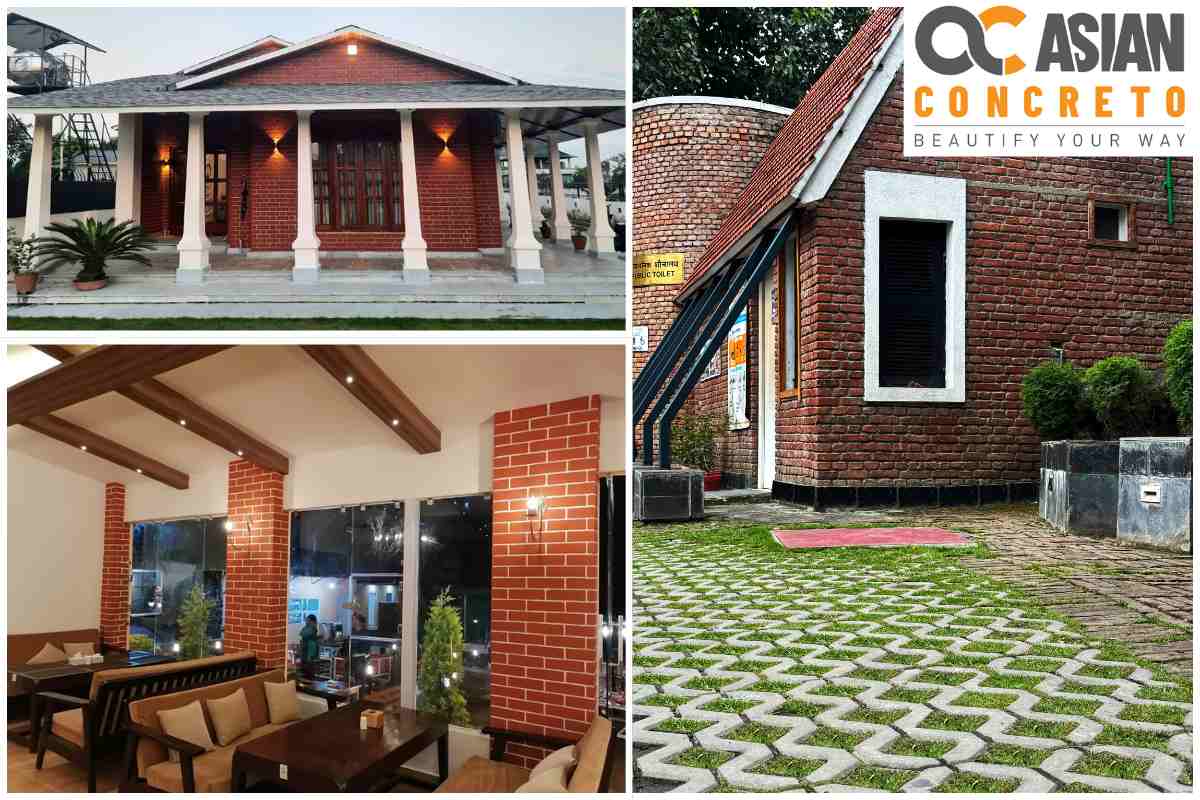
Asian Concreto, for instance, has been promoting the use of grass pavers in several projects across Nepal since it add to water permeability, increases the reduction of heat build-up, and has a green infusion. One of the highlighted projects is an eco-friendly housing development in Kathmandu Valley, where such pavers come in handy in managing stormwater, preventing soil erosion, and creating an outdoor area in an ecologically friendly environment.
By incorporating green solutions in the living space of housing, the company aims to contribute to sustainable urban living. Probably his most notable project is the revitalization of the public parks in Lalitpur & Bhaktapur, where grass pavers have been used to provide durable yet naturally looking footpaths and open spaces. Rainwater gets absorbed by these pavers, which reduces the chance of water building over the surface, encouraging a recharge of groundwater. Hence, the kind of solution that these pavers offer makes them an ideal one for public spaces by ensuring longevity and continuity of a green and inviting environment.
Also Read: Pavers to Transform Your Outdoor Space
Choosing the Right Grass Paver
Selecting the appropriate paver size ensures stability and longevity. Common dimensions in Nepal include 600mm x 400mm x 80mm, though variations may be available for specific needs. The right paver size enhances load-bearing capacity, prevents displacement, and improves driveway performance.
Installation & Maintenance Guide
Proper installation and maintenance ensure the longevity of grass pavers.
1. Installation Steps
- Site Preparation: Clear and level the area.
- Base Layer: Lay compacted gravel for drainage.
- Sand Layer: Add sand for leveling.
- Paver Placement: Arrange grass pavers in the desired layout.
- Soil Filling: Fill gaps with soil and plant grass seeds.
2. Maintenance Tips
- Regular Watering: Keep grass hydrated, especially in dry seasons.
- Grass Trimming: Mow regularly for a neat appearance.
- Weed Control: Remove weeds to prevent overgrowth.
- Drainage Management: Ensure proper runoff handling, especially during monsoons.
Conclusion
Grass paver is an enduring and attractive option; visually, it represents one kind of eco-alt concrete surface. This makes them ideal for the establishment of ecologically friendly urban areas. This is particularly important in those areas that usually experience downpours during the monsoon season in Nepal. In addition, these pavers will trigger greenery and biodiversity, which will lead to the long-term stability of the soil.
There is a huge urgency and an increasing rate of urbanization in space, hence the need for sustainable infrastructure. Grass pavers are, therefore, a sustainable and aesthetically commendable solution for driveways, walkways, and public places. Asian Concreto could be consulted for technical advice and good-quality pavers, as it is a business partner dealing with innovative and environment-friendly solutions for Nepal.
Also Read: Outdoor Tiles By Asian Concreto
FAQ’s
- What are grass pavers, and how do they work?
Grass pavers are permeable paving solutions designed to support vegetation growth while maintaining structural integrity for vehicular and pedestrian use. They help manage water runoff, maintain greenery, and improve environmental sustainability. - Are grass pavers suitable for Nepal’s climate?
Yes, grass pavers are highly suitable for Nepal’s diverse climate, as they efficiently handle monsoon rains, reduce flooding risks, and withstand seasonal temperature fluctuations. - What is the standard grass paver block size in Nepal?
Grass paver blocks typically come in sizes like 400mm x 400mm or 500mm x 500mm. However, sizes can vary based on the application, driveway size, and specific requirements of your landscaping project. - How long do grass pavers last on driveways in Nepal?
With proper installation and regular maintenance, grass pavers can last over 20 years, offering durability comparable to traditional concrete paving, even under heavy driveway use. - How should I maintain a grass paver driveway in Nepal?
Maintenance involves routine watering, regular mowing or trimming of grass, occasional fertilization, and removing weeds or debris to maintain aesthetics and functionality throughout Nepal’s varying seasons.
Recent Blog


Other Articles

Building Sustainable Infrastructure in Kathmandu with Asian Concreto
Kathmandu Valley’s unique environment demands building materials that are strong, reliable, and suited to its climate...

Bricks in Nepal: A Guide to Types, Trends, and Innovations
Bricks are one of the most essential building materials in Nepal. From traditional homes in the...

Asian Concreto Partners with News24’s “Sidha Kura Mayor Sanga”
Asian Concreto, Nepal’s largest & most advanced pre-cast concrete products manufacturing company, has partnered with News24...

From Nepal to India: Landmarks Built to Last.
Across Nepal and India, there are various important landmarks, each reflecting the cultural and historical importance...

Modern Outdoor Tile Designs That Transform Your Exterior Spaces
Today, outdoor design is just as vital as interior planning, enhancing both comfort and property value....

More Than a Pathway – A Vision: Asian Concreto’s Journey for Sustainable Walkways
A footpath is a designated path that ensures the safe and convenient passage of pedestrians. It...

Enhancing Kathmandu’s Infrastructure with Kerbstones from Asian Concreto
Rapid urbanization growth in Kathmandu brings up the issue of resilient infrastructure. The town needs to...

Permeable Paving: A Sustainable Solution to Kathmandu Valley’s Flooding Issues
Kathmandu Valley is currently exposed to an ever-increasing risk of urban flooding due to a fast...